
EXPLAINED: INDIA'S FIRST URBAN ROPEWAY IS ALMOST HERE. CAN VARANASI'S SKY-HIGH COMMUTE CHANGE HOW INDIAN CITIES TRAVEL?
- NEWS Desk Global
- 2 hours ago
- 1 min read
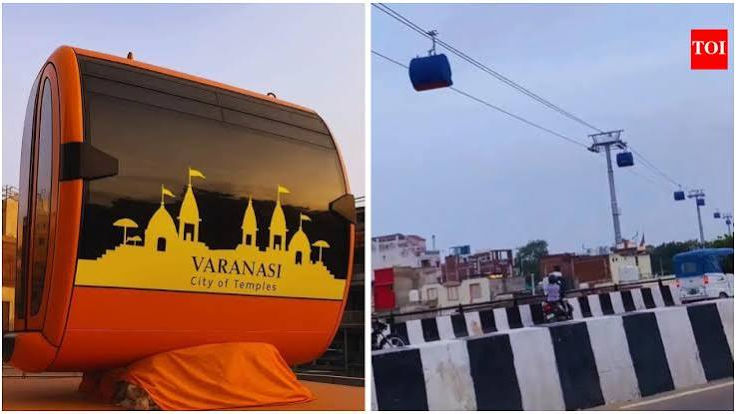
For centuries, getting around Varanasi has been part of the city's experience. Its narrow lanes, bustling bazaars, temples and ghats are integral to the spiritual capital's identity. But as one of India's oldest continuously inhabited cities welcomed millions of pilgrims and tourists every year, those same streets also became one of its biggest infrastructure challenges. The stretch between Varanasi Cantonment railway station and Godowlia, the gateway to the Kashi Vishwanath Temple and Dashashwamedh Ghat, often witnessed bumper-to-bumper traffic.
During festivals or the peak pilgrimage season, a journey of less than four kilometres could easily take 40 minutes or more. Building wider roads was never a practical solution. Much of the corridor passes through densely populated neighbourhoods and heritage areas, where large-scale demolition would not only be expensive but also risk altering the city's centuries-old character. Instead, policymakers looked upwards. Later this year, Varanasi is expected to become home to India's first urban public transport ropeway—a project that promises to ferry commuters and pilgrims above the city's congested streets in gondola cabins suspended nearly 45-50 metres above the ground.



Comments